
How do I fix a dripping kitchen faucet?
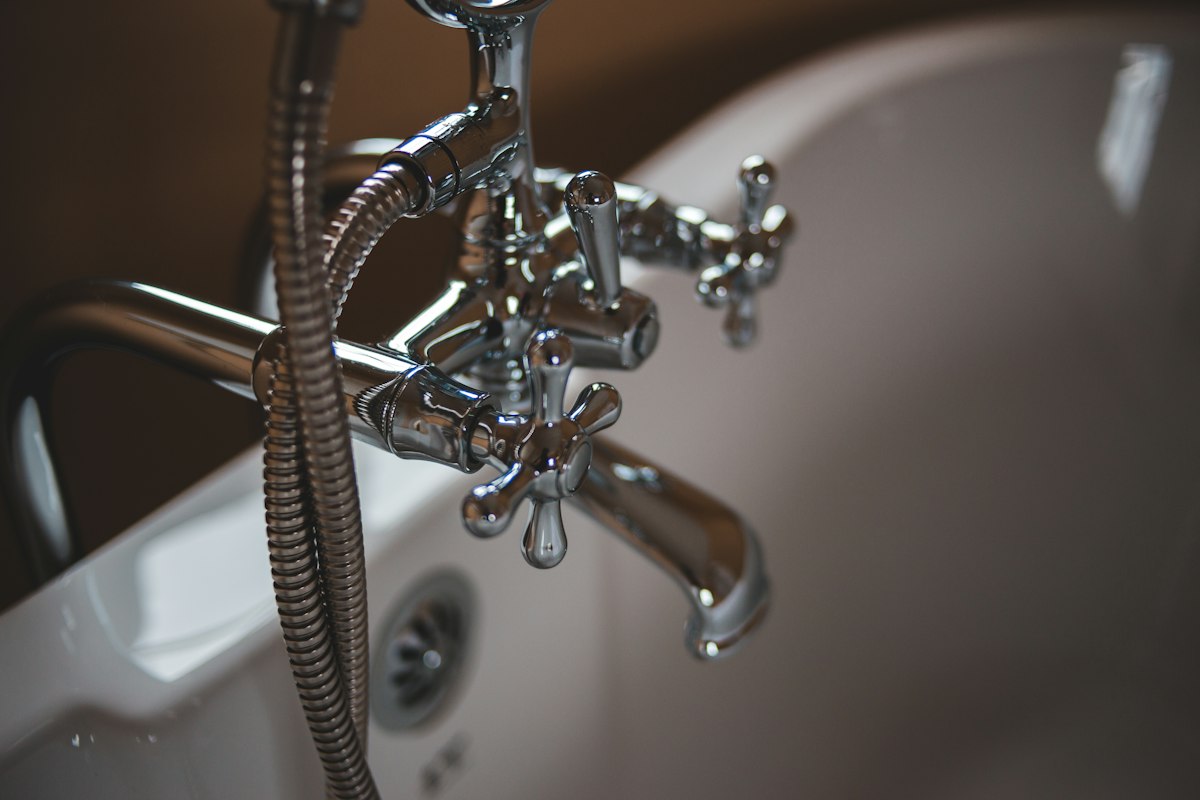
A drip is almost always a worn cartridge or washer, and the repair costs a fraction of a new tap. Here is the safe order of work.
A tap that drips when closed is telling you one part has worn out. On most modern mixers that part is a ceramic cartridge; on older taps it is a rubber washer. Both cost less than a sandwich and take under an hour to replace.
Before anything: shut the water off properly
Find the isolation valves under the sink — usually two small screwdriver slots or small levers on the supply pipes. Turn both clockwise until they stop. Open the tap and let it run dry to confirm.
If there are no isolation valves, or they will not turn, close the main stop valve for the property. Take a photo of the valve position first so you can restore it exactly.
Put the plug in the drain before you start. Small screws and circlips love drains.
Identify what you have
Lift the decorative cap on top of the handle — it usually prises off with a fingernail or a thin flat blade. Underneath is a screw or a grub screw at the back of the handle. Once that is out, the handle lifts off and you can see the cartridge or the valve head.
Take a photo of the assembly before removing anything, then measure or photograph the cartridge. Take the old part to the shop if you can; matching by eye is how people make two trips.
Replace the cartridge
Pull the retaining clip or unscrew the retaining nut, then pull the cartridge straight up. Note which way the locating lugs face — they only fit one way, but it is easy to force the wrong one.
Wipe the inside of the body clean, fit the new cartridge with its lugs aligned, replace the clip, refit the handle, and turn the water on slowly. Run it hot and cold for a minute before you close everything up.
If it is an older two-handle tap
Turn off the water, remove the handle, unscrew the valve head with a spanner, and replace the washer at the bottom on the jumper valve. Seat the washer squarely — a washer that sits at an angle will drip again within days.
When to stop and call someone
Stop if the body of the tap is cracked, if a nut will not move even with gentle persuasion, or if water appears where the tap meets the worktop. Those are jobs where a small leak becomes a cabinet full of water.
Prevent the next drip
Do not force taps shut. A quarter turn past closed grinds the ceramic and starts the wear that causes the drip. If your water is hard, a yearly descale of the aerator keeps flow even and pressure low.
Total cost: a cartridge or washer, a screwdriver, and about forty minutes. Total saving: a callout fee and the price of a tap you did not need.
Frequently asked questions
Do I need to turn off the main water supply?+
Only if the sink has no working isolation valves. Try the small valves under the sink first and confirm the tap runs dry before dismantling anything.
How do I know if I need a cartridge or a washer?+
Single-lever mixers almost always use a ceramic cartridge. Taps with two separate handles usually use washers in a valve head. Take the old part to the shop to match it.
Why does it drip again after a month?+
Usually a washer seated at an angle, grit left in the valve body, or a cartridge fitted with the locating lugs forced the wrong way. Clean the seat and refit squarely.
More in Home & Repairs
Mini-courses
Recommended for you

 1 credit
Resolve Washing Machine Draining Problems Reliably
Step-by-step guide to clearing blockages and pump obstructions in your washing machine.
1 creditFix Common Refrigerator Cooling Performance Issues
Maintain your fridge temperature through simple preventative maintenance and basic troubleshooting techniques.
1 creditIdentify Causes of Frequent Breaker Trips
Understand how to safely troubleshoot circuit overloads and identify faulty appliances.